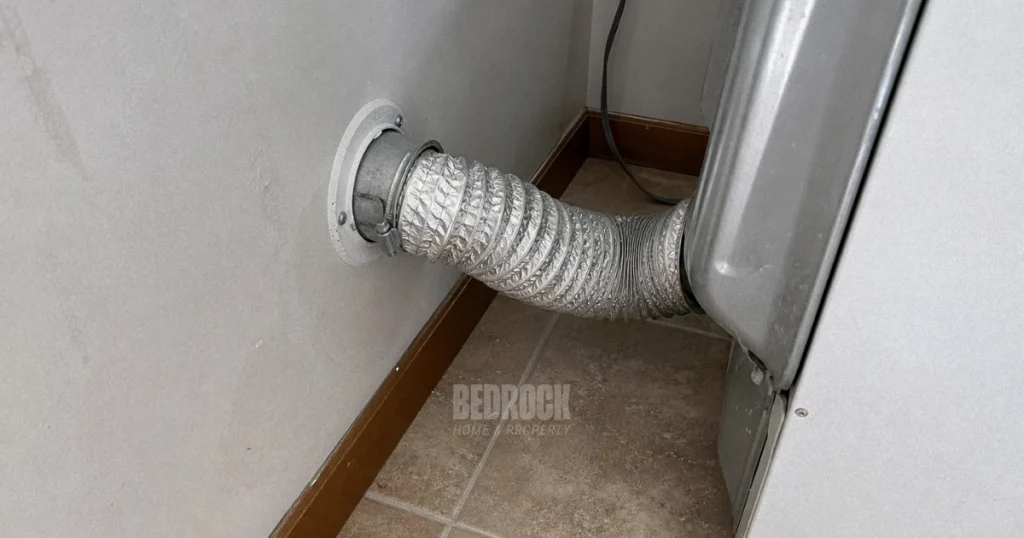
Professional dryer vent cleaning to improve efficiency, reduce fire risk, and extend appliance life.
How I Can Help
Here's what dryer vent cleaning can include. Run length and how long it's been since the last clean affect how involved the job gets:
Tasks Not Typically Included
Vent cleaning scope depends on run length, how restricted the duct is, and how long it's been since the last clean. This covers what's typically outside scope, but reach out before booking if you want to confirm your vent setup is straightforward.
Dryer vent rerouting or duct replacement if the existing run is non-compliant
Licensed electrical work for the dryer outlet or circuit (requires licensed electrician)
Gas dryer connection or gas line work (requires licensed plumber or gas fitter)
Appliance repair or dryer diagnostics
Part of Every Job I Do
These four standards come with every job, no matter the size or scope.
How It Works
Four simple steps to complete your dryer vent cleaning service.
Why Choose Bedrock for Dryer Vent Cleaning
Owner Operated Service
You work directly with me from first message to final walkthrough.
Direct One-on-One Support
No handoffs or middlemen. I keep communication clear and personal.
Transparent Solo Pricing
I give upfront pricing before work starts, with no surprise add-ons.
Personally Guaranteed Work
I personally stand behind every job and make it right if needed.
Dryer Vent Cleaning Questions
Homeowners ask me these questions about dryer vent cleaning before scheduling.
How much does dryer vent cleaning cost?
A standard single-story vent run fits inside a $250 service call, usually with time left for another item or two while I’m there. Long runs, roof terminations, and systems needing partial disassembly take longer. The calculator gives your exact range in about a minute.
How often should vents be cleaned?
Annual cleaning is the minimum recommendation for most households. Homes doing more than 5 loads per week, or with long duct runs, benefit from cleaning every 6 months to maintain safe airflow.
How do I know if my vent needs cleaning?
Signs include clothes taking 2 or more cycles to dry, the dryer running hot to the touch, a burning smell during operation, or visible lint around the exterior vent hood. Any of these means the vent needs attention.
Can you clean vents that go to the roof?
Yes, I clean all vent configurations including roof terminations on single and two-story homes. Roof vents take longer and require safe ladder setup, which is factored into the estimate.
What if the vent is damaged?
I photograph any damage found and provide a written recommendation. Crushed flexible duct, disconnected joints behind walls, and damaged exterior hoods are the most common issues I find.
Where I typically work
Proudly serving Dakota County homeowners and the surrounding communities.
Ready to Clean Your Dryer Vent?
Price your project (or list) in a few minutes
No email required to get the results.
Price My Job