
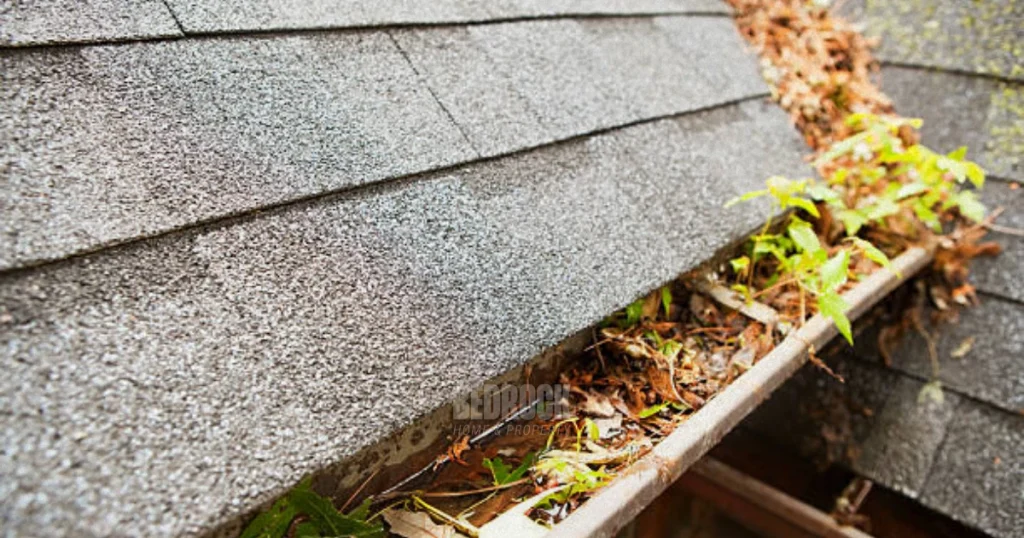
Professional gutter cleaning to remove debris, clear downspouts, and prevent water damage to your home.
How I Can Help
Tasks Not Typically Included
Included With Every Job
How It Works
Why Choose Bedrock for Gutter Cleaning
Owner Operated Service
Direct One-on-One Support
Transparent Solo Pricing
Personally Guaranteed Work
Gutter Cleaning Questions
Most single-story homes fit inside a $250 service call. Two-story homes and properties with heavy tree coverage take longer and may be better as a half day. The calculator gives your exact range in about a minute.
Most Minnesota homes need cleaning twice a year: once in late May after cottonwood, maple seeds, and spring debris drop, and again in late October or early November after leaves have fully fallen.
Yes, I clean gutters that have mesh guards, reverse-curve guards, or foam inserts installed. Some guard styles still allow fine debris accumulation that should be flushed periodically.
Yes, I can reseal minor leaking seams, re-pitch sagging gutter sections, or tighten loose hangers on the same visit when I find issues during cleaning. Larger structural repairs are quoted separately.
Yes, all flushed debris is removed from your property, not piled on shrubs or the lawn. Downspout residue is cleaned out and I verify flow from each downspout before finishing.