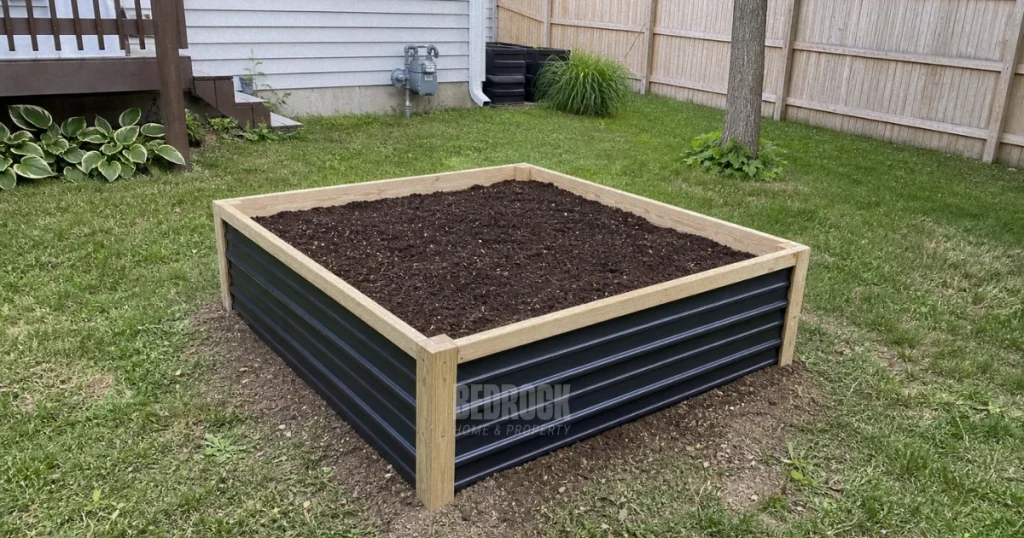
Professional raised garden bed and planter box construction for vegetables, flowers, and herbs.
How I Can Help
Here's a list of the raised garden bed installation work I can help with. Site layout and materials affect the details:
Tasks Not Typically Included
Garden bed installs depend on site layout, how level the ground is, and what materials the bed is made from. This covers what's typically outside scope, but contact me before booking if you want to confirm your setup.
Excavation or significant grading beyond clearing the installation footprint
Irrigation or drip system installation tied to the home water supply (requires licensed plumber)
Retaining wall construction or hardscaping
Bulk soil, compost, or materials delivery
Always Included With Every Visit
These four standards come with every job, no matter the size or scope.
How It Works
Four simple steps to complete your raised garden bed installation service.
Why Choose Bedrock for Raised Garden Beds
Owner Operated Service
You work directly with me from first message to final walkthrough.
Direct One-on-One Support
No handoffs or middlemen. I keep communication clear and personal.
Transparent Solo Pricing
I give upfront pricing before work starts, with no surprise add-ons.
Personally Guaranteed Work
I personally stand behind every job and make it right if needed.
Raised Garden Bed Questions
Homeowners ask me these questions about raised bed installation before getting started.
How much does a raised garden bed cost?
A single cedar bed usually fits inside a $250 service call. Composite and metal beds, custom sizes, and multi-bed layouts are better handled as a half day. The calculator gives your exact range in about a minute.
What size raised bed do I need?
A 4×8-foot bed is the most common starting point and works well for most home vegetable gardens. I can build any custom dimension. Beds wider than 4 feet become harder to reach across from the outside.
What's the best material for raised beds?
Cedar is naturally rot-resistant and is the most common choice. Galvanized steel and composite lumber last longer with zero maintenance. Avoid treated lumber in vegetable gardens as the preservatives can leach into soil.
How deep should raised beds be?
12 inches is the functional minimum for most vegetables. 18-24 inches is ideal for tomatoes, peppers, squash, and deep-rooted crops. I recommend 18 inches for most builds if budget and materials allow.
Can you build beds on slopes?
Yes, I can level and install beds on moderate slopes, build tiered beds that step down the grade, or set beds on level gravel pads for drainage in low spots.
Where I typically work
Proudly serving Dakota County homeowners and the surrounding communities.
Ready for Your Raised Garden Beds?
Price your project (or list) in a few minutes
No email required to get the results.
Price My Job