
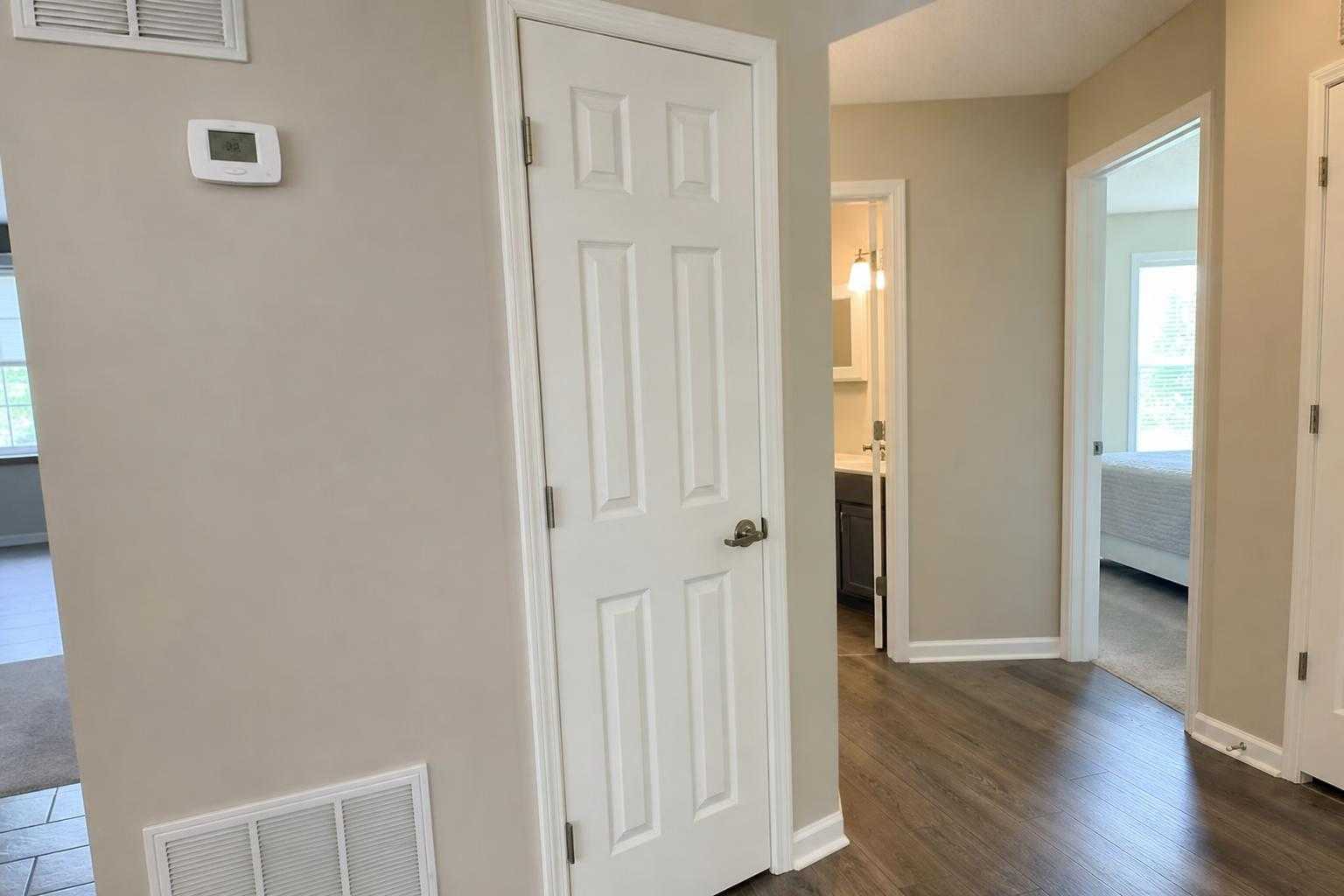
Here is a plain-language look at pre-listing home repair pricing, what the work typically includes, and what to expect when I come out to your Hastings home.
I’m Nick, owner of Bedrock Home and Property. On this page I walk through what pre-listing repairs generally cover, from patching and painting to fixing the small things buyers and inspectors tend to notice, along with what the visit looks like and how I approach getting a home ready to show well.
Read through to get a feel for the process, or reach out through my contact page if you’d rather just text me directly and talk through your situation.
What Kind of Pre-Listing Home Repairs Do You Need?
Pre-listing repairs are not a single task, and every home I walk through has a different combination of issues depending on its age, condition, and what a buyer or inspector is likely to flag. The scope can range from a handful of cosmetic fixes to a targeted punch list of functional repairs designed to protect your sale price.
Jobs That Come Up Most Often
- Pre-inspection punch list repairs. These address specific items a seller wants corrected before the buyer brings in an inspector, focusing on functional deficiencies like leaky faucets, faulty outlets, or sticking doors that an inspector would call out.
- Cosmetic touch-up repairs. This covers scuffed walls, chipped trim, and worn caulking that makes a home look neglected to buyers even though nothing is mechanically wrong.
- Deferred maintenance catch-up. Homeowners who have lived in a house for many years often need a broader sweep of small repairs that accumulated over time and need addressing before photos and showings.
- Curb appeal repairs. I focus on exterior items like rotted fascia, broken shutters, or damaged steps that create a negative first impression before a buyer even opens the front door.
- Staging-support repairs. These are targeted fixes requested by a stager or real estate agent to make specific spaces photograph or show better during the listing period.
What Homeowners in Hastings Actually Pay for Pre-Listing Home Repairs
Most pre-listing repair jobs start around $350 for a focused punch list of minor fixes before photos or showings. When the scope grows to include multiple rooms or more involved repairs, the total typically lands somewhere in the $350 to $2,500 range depending on what the house actually needs. The condition of the home and how close the listing date is tend to drive that number more than anything else.
What the Job Usually Runs
- A focused punch list of cosmetic fixes. Touch-up painting, patching small drywall holes, tightening loose hardware, and caulking around tubs or windows. These quick-turnaround jobs are common for well-maintained homes and usually come in around $350 to $600.
- When the job includes deferred maintenance items. Door adjustments, sticking windows, minor trim repairs, and small exterior touch-ups start adding up. A job at this level typically runs $600 to $1,200.
- Full pre-inspection repair prep across multiple systems. Addressing items flagged during a pre-listing inspection, covering several trades worth of work in one visit. These projects often land in the $1,200 to $2,500 range depending on the list.
What Can Push the Cost Up or Down
- Number of repair items. A longer punch list from a pre-listing inspection means more time on site, which moves the total up noticeably.
- Material finishes. Matching existing paint sheens, trim profiles, or hardware styles takes more effort and sometimes costs more in materials.
- Timeline pressure. Rush requests tied to a listing deadline can affect scheduling and the overall rate.
- Access and staging. Furniture or stored items blocking repair areas adds time to the job.
What Affects the Cost of Pre-Listing Home Repairs
Two homes going on the market in Hastings can look similar from the street but have completely different repair lists once I start walking through them room by room. The condition, age, and how many deferred items have stacked up over the years all drive where your final number lands.
Factors That Move the Cost
- Scope of repair. A seller who needs a quick touch-up list handled before photos is a half-day job, but a home with a full pre-inspection punch list covering multiple systems and rooms requires me to schedule across several visits, which adds real time and cost.
- Home age and construction type. Older Hastings homes often have plaster walls, original trim profiles, or dated hardware that takes longer to match and patch cleanly than modern drywall and standard fixtures.
- Finish requirements. Repairs meant to pass a buyer inspection are different from repairs meant to impress buyers on showing day, and presentation-grade work takes more prep, product, and patience to get right.
- Surface or site prep. Peeling paint, water stains, or failing caulk need proper prep before any visible fix goes on top, otherwise the repair fails before closing and I have to come back.
- Materials. Matching existing flooring, trim, or cabinet hardware on an older home often means sourcing specialty items that cost more and take longer to get than standard off-the-shelf materials.
What Else Can Show Up on a Pre-Listing Home Repairs Quote
The starting price for pre-listing repairs covers the core work scoped during the initial walkthrough, but real jobs often turn up items that were not visible until work began. Most of these are situational, so knowing what they are helps you read my quote without any surprises.
Common Add-Ons on a Pre-Listing Home Repairs Job
- Touch-up painting after repairs. Patching drywall, filling nail holes, or replacing trim almost always leaves areas that need paint to match, and this comes up on nearly every pre-listing job where walls or ceilings are involved.
- Substrate or water damage found during the repair. Once a damaged surface comes apart, rotted wood or stained drywall underneath can add scope that was not visible at the estimate.
- Caulking and sealing around fixtures. Buyers and inspectors notice failed caulk quickly, so I often include this as a separate line when bathrooms or kitchens are part of the repair list.
- Hardware replacement on doors and cabinets. Loose hinges or dated knobs frequently come up when staging-ready presentation is the goal.
- Haul-away of replaced materials. Old fixtures, trim, or flooring sections need to leave the property, and disposal is priced separately when volume is significant.
Should You Repair or Replace?
When preparing a home for the market in Hastings, the repair versus replace question comes up on almost every job I walk through. Repair is often the smarter and more budget-friendly path, but there are situations where a full replacement actually returns more value at closing.
When Repair Makes Sense
- A door that sticks or has a damaged strike plate. If the door frame and hardware are structurally sound, adjusting the hinges and replacing the strike plate costs a fraction of a new door unit and looks just as good to buyers.
- Cracked or missing caulk around tubs and windows. Fresh caulk applied before listing makes these areas look clean and well-maintained without the expense of replacing the fixture or window.
- A handful of loose or chipped floor tiles. Spot repairs blend in well when the surrounding tile is in good condition, saving hundreds compared to a full floor replacement.
- Minor drywall dings and nail pops throughout the home. Patching and painting these before photos and showings is fast, affordable, and meaningfully improves buyer first impressions.
When Replacement Makes More Sense
- Carpet with deep staining or pet odor throughout multiple rooms. Buyers notice smell immediately, and no amount of cleaning fully removes embedded odor from older padding.
- A water-damaged vanity cabinet showing active swelling or mold. Repairing compromised cabinetry rarely holds long-term, and inspectors will flag it anyway.
- An entry door with rotted core or failed weatherstripping beyond patching. When repair costs approach 50 percent of a new door installation, replacement is the more honest investment.
- A garage door with bent panels and failing springs on a unit over 15 years old. Replacing aging components piecemeal rarely satisfies buyers or inspectors when the overall unit is near end of life.
What Goes Into a Pre-Listing Home Repairs Job
What to Expect on Site
- Assessment and scope. I walk through the entire home with the seller to identify the repairs most likely to raise red flags during a buyer’s inspection or showing.
- Prep and setup. I lay down drop cloths and stage my tools near each repair area to move efficiently through multiple rooms without creating a mess along the way.
- The core work. I tackle the prioritized punch list, which typically includes patching drywall, fixing doors and hardware, touching up trim, and addressing anything that affects the home’s first impression.
- Cleanup. I clean up each work area before moving to the next so the home stays show-ready throughout the job, not just at the end.
- Final walkthrough. I walk the seller through every completed repair so they feel confident answering questions from buyers or their agent about what was fixed.
What to Look for When Hiring for Pre-Listing Home Repairs
Not every contractor approaches pre-listing repairs the same way, and the difference shows up clearly once your home hits the market. Before booking anyone, take a close look at what priorities are driving the repair list, because a good contractor should be thinking like a buyer, not just checking boxes.
Things Worth Checking Up Front
- Ask whether they have experience with pre-inspection or pre-listing work specifically. Someone who understands what buyers and inspectors flag will make smarter decisions about where to spend your money.
- Find out if they can prioritize repairs by return on investment. Not every fix adds equal value, and you want someone who can help you focus on what actually moves the needle.
- Confirm they can work within your listing timeline. Delays before a listing date can cost you more than the repairs themselves.
- Ask how they handle items that reveal bigger problems during the repair. Surprises happen, and you need to know they will communicate clearly before proceeding.
What I See Doing Pre-Listing Home Repairs in Hastings
A big part of pre-listing work in Hastings involves older homes with plaster walls, original wood trim, and porches that have taken decades of hard Minnesota winters. When I assess a home from the Northside or the historic core for sale, I often find that standard patching compounds do not bond reliably to plaster, so I adjust my materials accordingly, and wood trim repairs require more careful prep and priming than modern casing would. Sellers and agents want a clean list resolved fast, and knowing what these older materials actually need keeps me from creating new problems while fixing the visible ones.
Pre-listing calls come up regularly in the Northside and Southside neighborhoods, where the housing stock is older and buyers are more likely to request inspections that surface deferred maintenance. If you are getting a home ready to sell, I can help through my handyman services in Hastings.
Questions Homeowners Ask About Pre-Listing Home Repairs
These are the questions I hear most about Pre-Listing Home Repairs from sellers getting ready to put their home on the market in Hastings.
Q. How long will it take to get my home’s repairs done before listing?
A. Most pre-listing repair projects take anywhere from a few hours to a full day, depending on how many items are on the punch list and whether any require materials I need to source ahead of time. A home with a handful of cosmetic fixes like patching drywall, touching up trim, and tightening fixtures will move faster than one with multiple deferred maintenance items spread across different areas. I can give you a realistic time estimate once I know what we are working with.
Q. What should I do to get my home ready before you show up?
A. It helps to clear the areas around items you want repaired so I can get straight to work without moving furniture or digging through storage. If you have a specific list from a pre-inspection report, have that ready so I can review it when I arrive. The more accessible the work areas are, the faster and cleaner the job goes.
Q. What happens if you find a bigger problem while doing the repairs?
A. I stop and walk you through exactly what I found before doing anything additional. You get to decide how you want to handle it, and I never add work or cost without your approval first. There are no surprise charges on my jobs.
Pre-Listing Home Repairs in Hastings: What You Now Know
You have a clear picture of what pre-listing repairs typically involve, from cosmetic touch-ups to the fixes buyers and inspectors tend to flag. Scope, material costs, and the number of items on the list are the main factors that move the price. When I come out, I assess the work in person, so you get an accurate estimate based on your actual home.
Ready to Get Started?
If you have a list of repairs to sort through before your Hastings home hits the market, feel free to reach out or send a text and I can take a look.
More on this topic: Pre-Listing Home Repairs service details, Landlord & Property services, or visit Bedrock Home and Property.